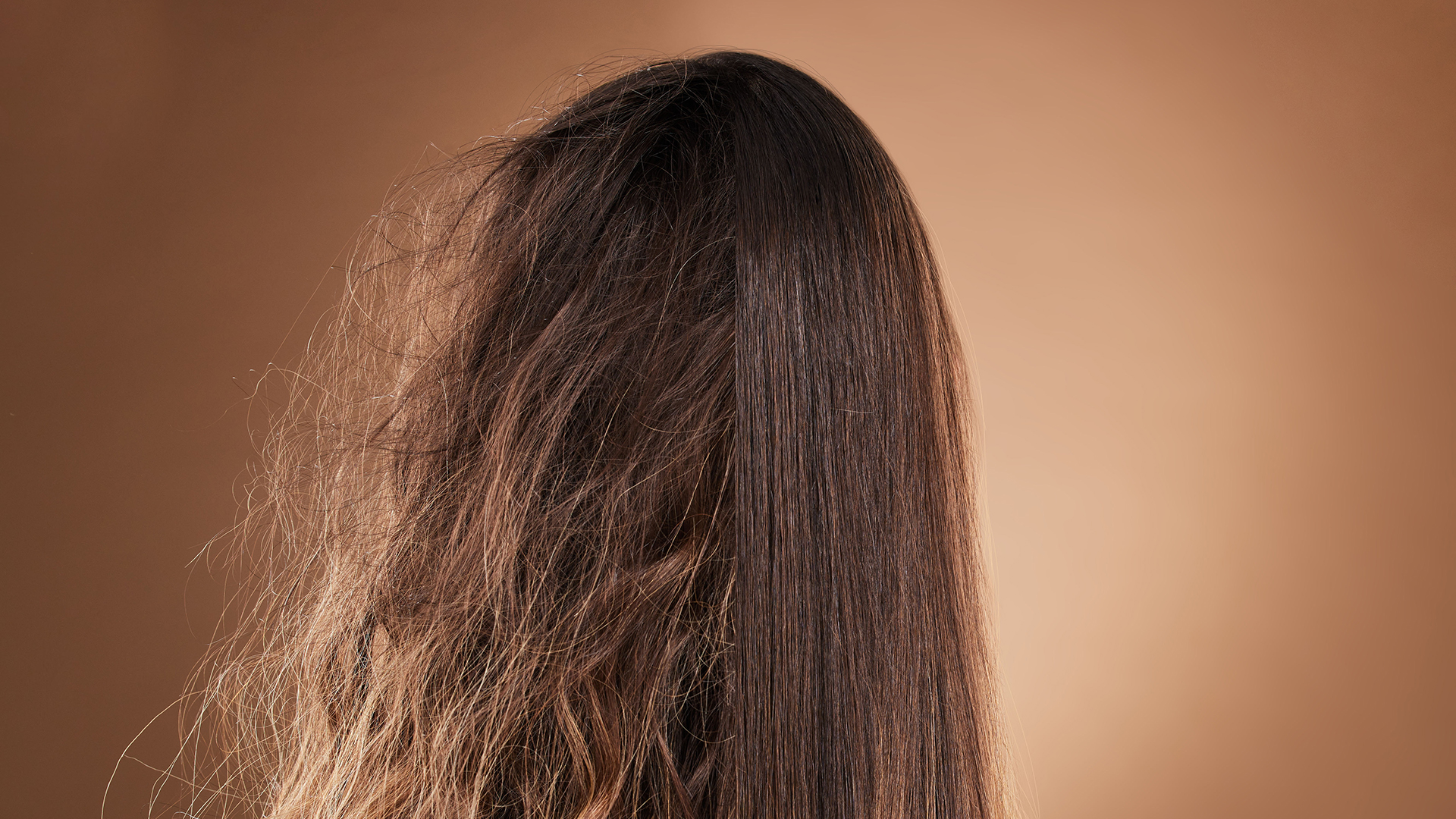
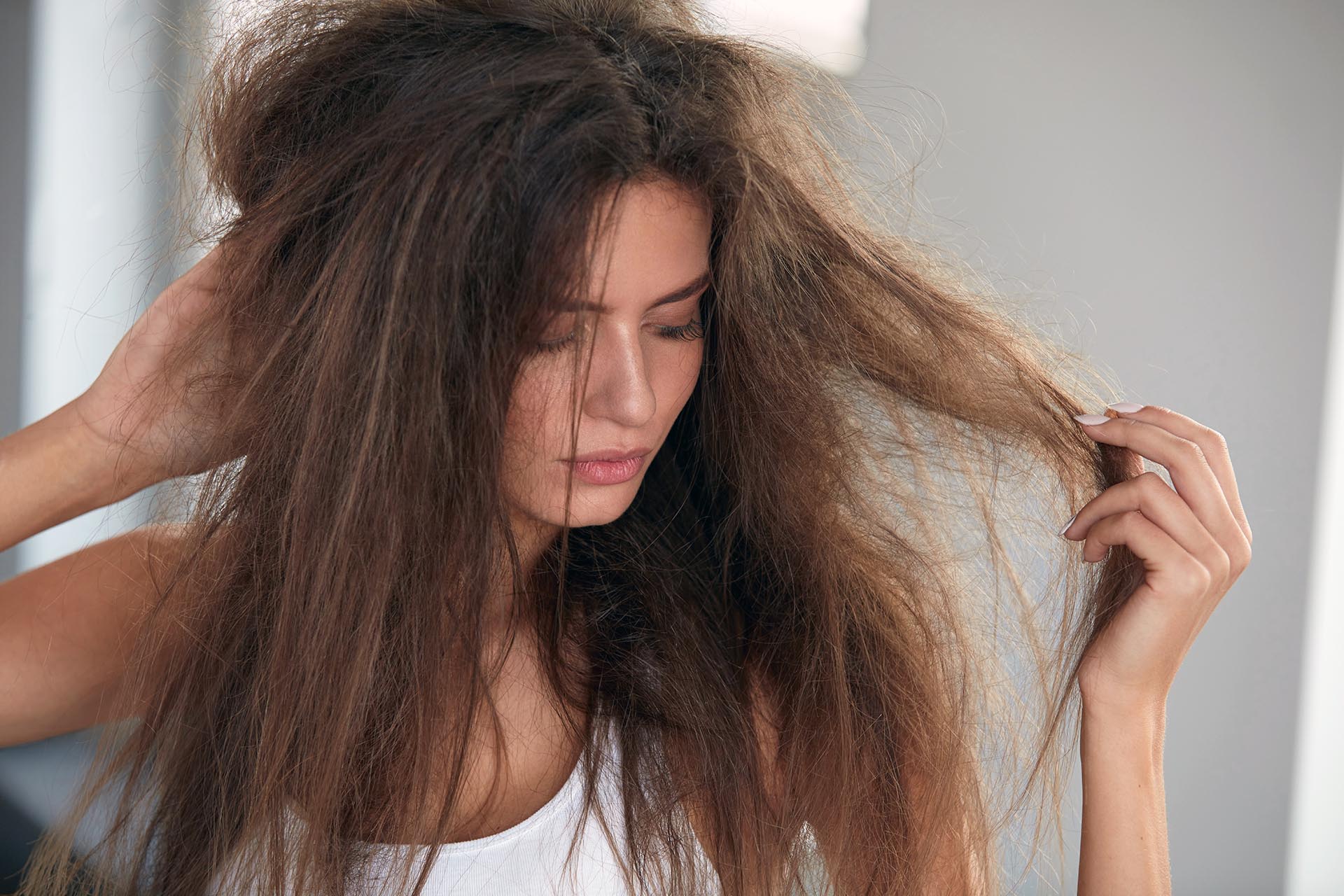
You came back from holiday with a tan, a bag full of laundry and, if we’re honest, hair that’s seen better days. A fortnight of sun cream, sea swims and hotel pool afternoons is brilliant for the soul and less brilliant for your hair. Every August, the same thing happens at Macadamia Hair Spa: clients walk through the door in Widnes looking blissfully relaxed and slightly horrified by what’s happened to their ends.
The good news is that none of it is permanent, and most of it is entirely fixable. Here’s what actually happened to your hair while you were away, how to tell how bad the damage is, and the recovery plan we’d genuinely recommend, rather than the one that sells the most product.
What Your Holiday Really Did to Your Hair
Hair is made almost entirely of keratin, a protein that gives each strand its strength and structure. UV rays break down that protein, which is why hair can feel rougher and look duller after a lot of sun exposure. According to beauty editors at Get The Gloss, UVB radiation is largely responsible for the protein loss that leads to split ends and frizz, while UVA is more to blame for colour fading.
Chlorine and salt water then finish the job in their own ways. Chlorine is a chemical sanitiser, so it strips natural oils and can roughen the outer layer of the hair shaft, leaving colour-treated hair especially vulnerable to fading. Salt water works more slowly but just as effectively, pulling moisture out of the hair through osmosis and leaving strands drier and more prone to breakage. A trichologist interviewed by Russh magazine puts prevention at the heart of good haircare advice for exactly this reason: once the damage is done, you’re managing it, not undoing it.
None of this means you should have skipped the pool. It just means late July and August are, without fail, the busiest weeks of the year for hair repair treatments, and there’s a reason for that.
Five Signs Your Hair Needs a Proper Reset
Not sure whether you’re dealing with mild dryness or something that needs a professional treatment? Look out for:
- Straw-like texture, especially through the mid-lengths and ends
- Colour that’s turned brassy, dull or noticeably lighter than when you left
- Tangles that form within hours of brushing, or hair that snaps rather than stretches
- A rough, gritty feel even straight out of the shower
- A greenish tinge if you’re blonde or lightened, caused by copper deposits from pool water rather than the chlorine itself
One or two of these and a good deep conditioning routine at home will probably sort you out. Three or more, and it’s worth booking in, because home fixes can only rebuild so much.
The Recovery Plan
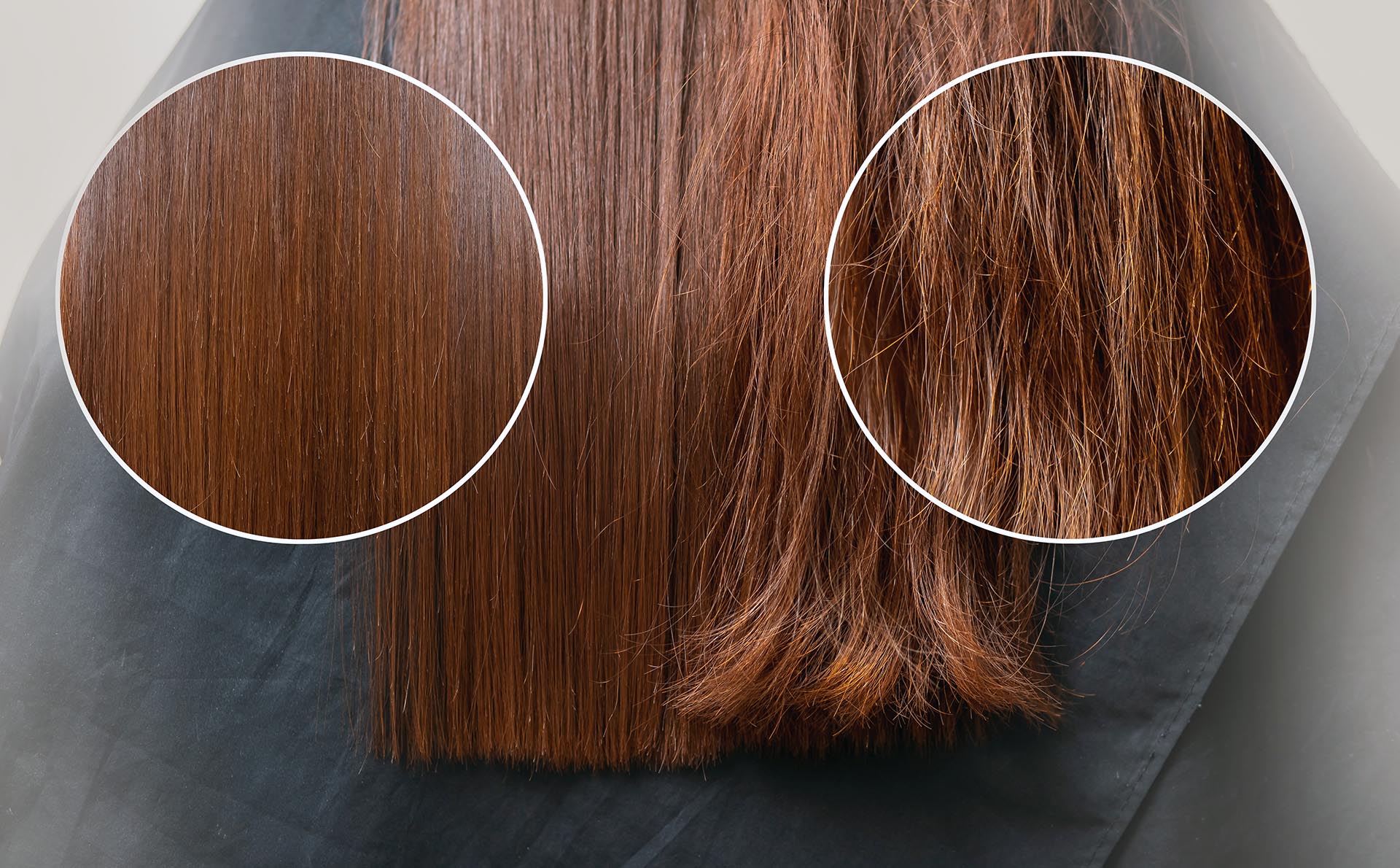
Step One: An Honest Look, and Maybe a Trim
Split ends don’t heal. They travel up the hair shaft if left alone, so the first job is always an honest assessment of how much length has actually been compromised. Sometimes it’s half a centimetre. Sometimes, if you were swimming most days, it’s a bit more. Either way, a trim gives every treatment that follows something healthy to work with.
Step Two: Rebuild What the Chlorine Took
This is where a proper hair treatment earns its keep. Salon-grade bond-building and moisture treatments work at a level that leave-in conditioner from your suitcase simply can’t reach, replacing lost protein and sealing the outer cuticle so hair holds onto moisture instead of losing it. Most clients notice the difference in how their hair falls, not just how it feels, within one session.
Step Three: Sort Out the Colour
If your blonde has gone brassy or your colour has faded unevenly, resist the urge to fix it yourself with a box dye. Chlorine-exposed hair is more porous than usual, which means it absorbs colour unpredictably, and a home fix can leave you with patchiness that takes longer to correct than the original problem. A proper colour consultation will address tone, condition and regrowth in one go, rather than papering over one and ignoring the other two.
Step Four: Tame the Frizz for Good
Sun and salt roughen the hair’s outer layer, so it catches the light unevenly and frizzes at the first sign of humidity, which is not ideal for a British autumn. A smoothing treatment lays the cuticle back down flat, restoring shine and making hair genuinely easier to style day to day, rather than just disguising the problem until the next wash.
What to Do Between Now and Your Appointment
A few habits will stop things getting worse while you wait for your appointment:
- Rinse with cool water rather than hot, which helps the cuticle lie flatter
- Cut back on heat styling for a couple of weeks, and use a heat protectant when you can’t
- Swap your everyday conditioner for a richer, weekly mask
- Detangle gently with a wide-tooth comb, starting at the ends and working up, not the other way round
- Be patient. Hair recovers in weeks, not days, however much you’d like it to be instant
Not Just a Summer Problem
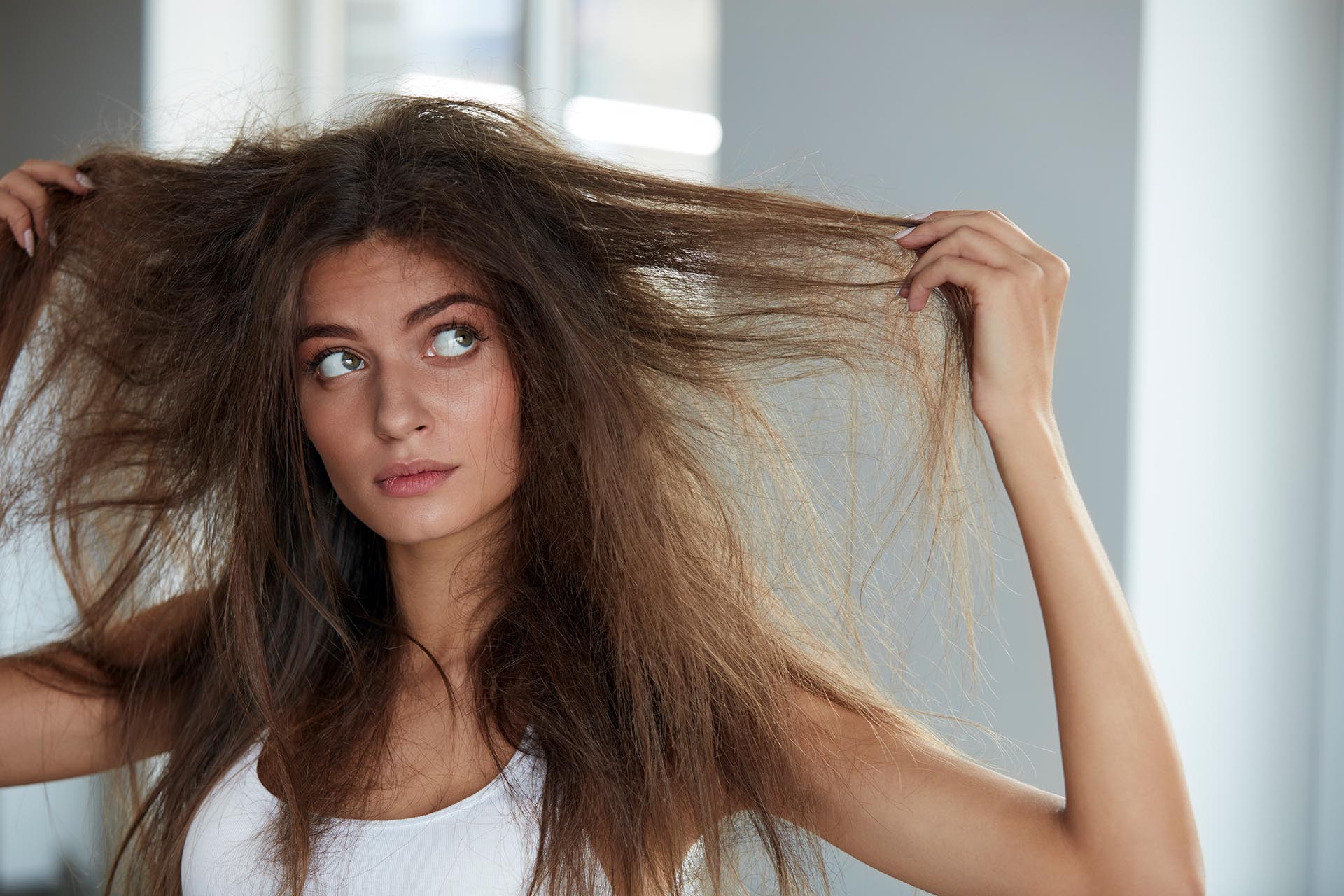
Worth remembering: sun and water damage doesn’t announce itself the moment you dry off on the sunbed. It often shows up properly a few weeks later, once you’re back into a normal washing and styling routine, which is exactly why late August and September are when we see the most requests for repair work, not late July. If your hair still feels off once term starts and the holiday photos have stopped doing the rounds, that’s completely normal, and still worth sorting.
Book Your Reset
If your hair needs more than a deep conditioner and a bit of patience, our team at Macadamia Hair Spa in Widnes can talk you through the right combination of trim, treatment and colour work for what your hair’s actually been through this summer, not a generic one-size-fits-all fix.
You’ll find us at 190 Lunts Heath Road, Widnes, Cheshire, WA8 5AZ, with free parking right outside. Call us on 0151 420 5656, or book online and get your hair back to feeling like yours again.