
The Massage Trend That’s Not Really About Your Muscles
Ask someone why they’re booking a massage these days and you’ll increasingly get an answer that has nothing to do with a bad back or knotted shoulders. “I just need to switch off.” “My brain won’t stop.” “I need to reset.” That shift, from massage as muscle maintenance to massage as a way of calming an overloaded nervous system, has become one of the defining wellness stories of 2026.
It sounds like a wellness buzzword, and to be fair, it’s had its fair share of TikTok treatment. But there’s genuine substance underneath it. Here’s what’s actually going on, and why it might change how you think about your next appointment.
What “Nervous System Regulation” Actually Means
Your nervous system runs on two main settings: the sympathetic state, better known as fight or flight, and the parasympathetic state, often called rest and digest. Modern life, full of notifications, deadlines and a general sense of being switched on all the time, tends to leave a lot of people stuck closer to the first setting than is good for them.
The Global Wellness Summit has tracked this shift closely, describing 2026’s wellness mood as moving past years of stressful optimisation and towards relief, resilience and reconnecting with the body. Their research points to a striking statistic: over a third of people in the UK reported experiencing burnout in the past year. Against that backdrop, it’s not hard to see why anything that reliably nudges the body back towards “rest and digest” has become so popular.
Massage happens to be one of the most effective, low-tech ways of doing exactly that. Slow, rhythmic touch activates nerve fibres that signal safety to the brain, which is a slightly technical way of explaining something most people already know instinctively: a good massage makes your shoulders drop and your breathing slow down, often within minutes.
Why This Isn’t Just Relabelled Relaxation
Sceptics might reasonably ask whether this is simply relaxation with a new name attached. Partly, yes, relaxation has always been part of what massage does well. What’s different in 2026 is the intent behind the booking. Reports on the wider spa and wellness industry describe a consistent shift towards personalised, results-driven treatments, with clients wanting massage that actually addresses something specific, whether that’s poor sleep, screen-related tension or a general sense of being wound too tight, rather than a generic hour of pampering.
It’s also becoming a more regular habit rather than an occasional treat. Where massage was once booked around a holiday or a special occasion, plenty of people now build it into a routine, much the way they might a gym session, precisely because the benefits build with consistency rather than showing up fully after one visit.
The Techniques Doing the Heavy Lifting
Not every massage style is equally suited to nervous system regulation. Slower, more rhythmic techniques tend to work best, since a fast-paced, high-pressure massage can sometimes have the opposite effect, alerting the body rather than settling it. Techniques worth knowing:
- Swedish massage, with its long, flowing strokes, is a classic for a reason: it’s genuinely built for relaxation, not just muscle release
- Slow, sustained pressure tends to feel more grounding than quick, percussive movements
- Consistent, predictable rhythm matters more than intensity; the nervous system responds well to touch it can anticipate
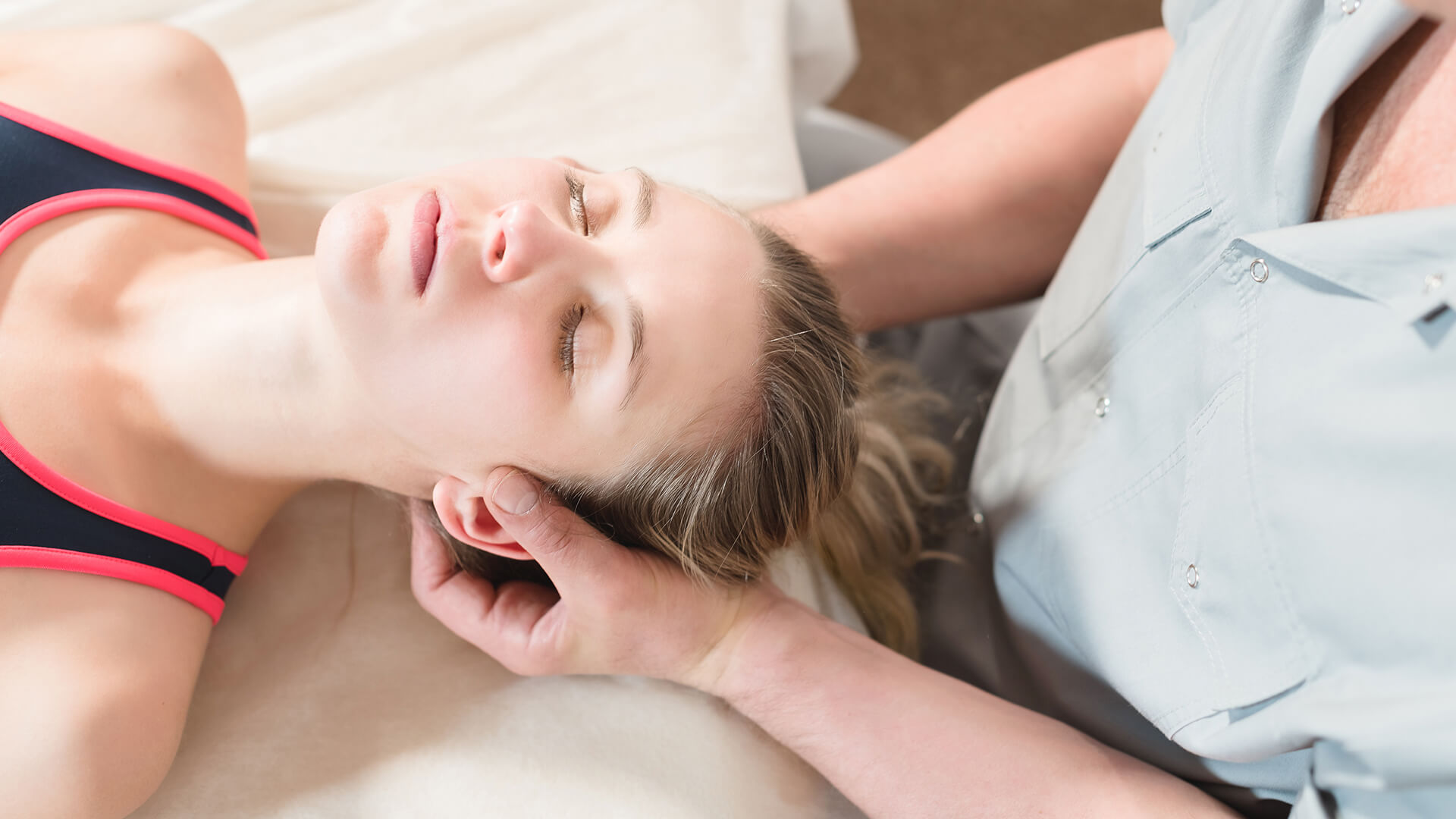
- Head and scalp massage deserves a special mention here, since it combines all of the above with the particular, hard-to-describe calm of having your scalp properly worked on
What This Looks Like at Macadamia
Our body massage treatments are built around exactly this principle: slower, more considered work rather than a rushed rub-down. If your goal is to switch off rather than tackle a specific sports injury, tell us that during your consultation, it genuinely changes how we approach the session.
If you’d rather start smaller, our head massage is a brilliant entry point. It’s short, doesn’t require getting changed, and reliably talked about as one of the most effective half hours in the building for genuinely quietening a busy head. We’ve written before about why scalp care deserves proper attention, and the nervous system benefits of a good scalp massage are very much part of that story.
How Often Is Actually Worth It
One session will help. It’s the consistency that changes things properly. A single massage can measurably lower heart rate and stress hormones within the hour, but the more lasting shifts, better sleep, steadier mood, a nervous system that doesn’t sit on high alert quite so readily, tend to build over several sessions spaced a few weeks apart, not from one occasional treat booked whenever things get particularly bad.
That doesn’t mean you need to overhaul your calendar. Even a monthly rhythm, treated as maintenance rather than crisis management, makes a genuine difference for most people.
A Reasonable Dose of Scepticism
It’s worth being honest about the limits here too. Massage is not a substitute for medical or mental health support, and framing it as such does nobody any favours. If you’re dealing with ongoing anxiety, burnout or a diagnosed condition, a massage is a genuinely useful part of looking after yourself, not a replacement for professional care. Think of it as one solid, evidence-backed tool among several, rather than a cure-all.
Book Your Reset
If the last few months have left you permanently a little wound up, it might be worth trying a massage with switching off, rather than working out, as the actual goal. Our team in Widnes will happily build the session around that. Call us on 0151 420 5656, book online, or visit us at 190 Lunts Heath Road, Widnes, Cheshire, WA8 5AZ.