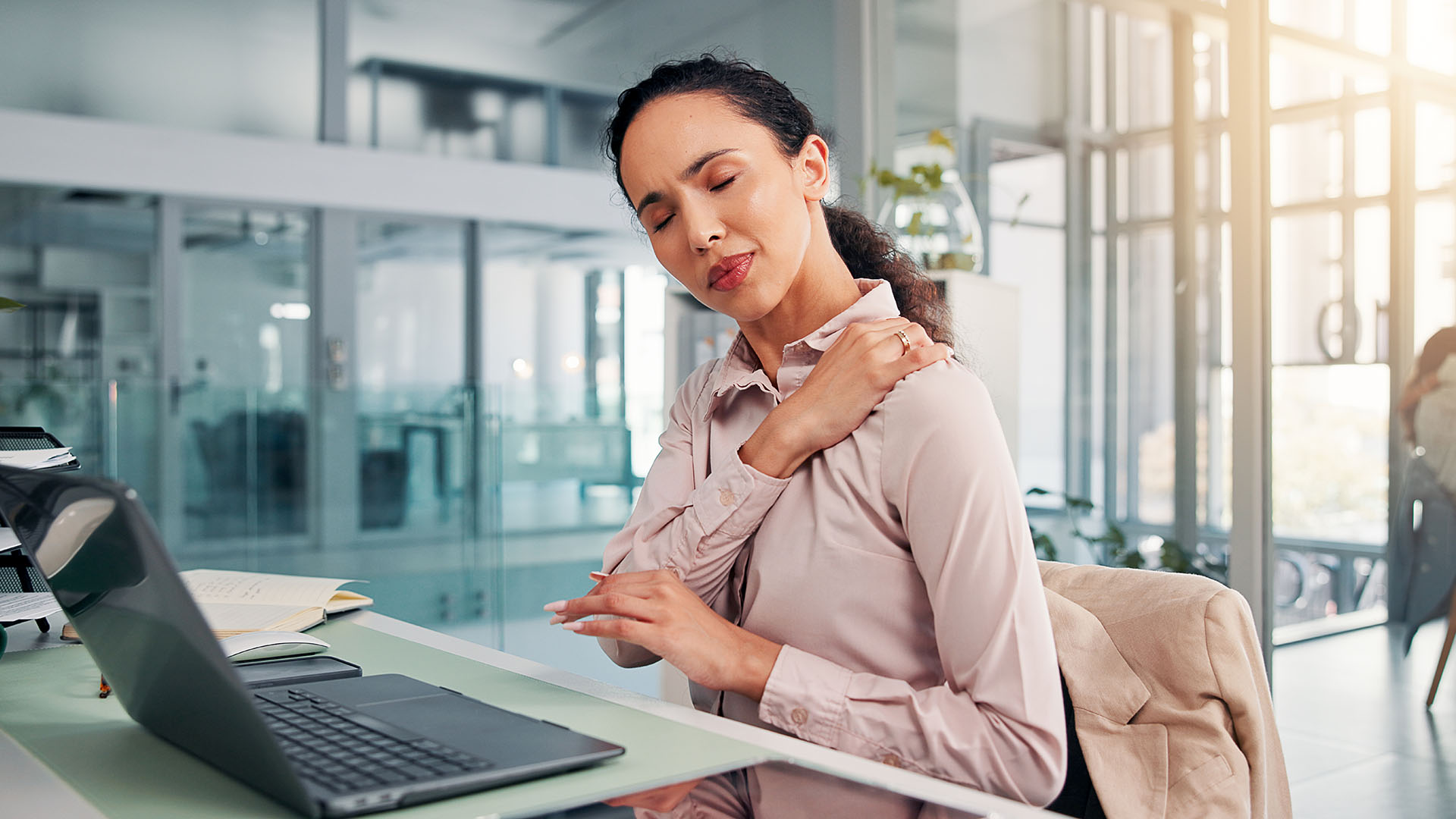
Somewhere around the middle of October, a lot of us notice the same thing. The shoulders have crept up towards the ears. The neck has a crunch when you turn your head to reverse the car. The laptop, which spent the summer on a garden table or a hotel balcony, is now firmly back on the dining table, the sofa or the kitchen worktop, and your body has opinions.
This is a guide to what’s going on, what a massage can realistically do about it, what you can do between appointments, and when it’s time to stop reading blog posts and ring your GP instead. No miracle claims, just a straight look at a very common complaint.
Why October Is When It Starts
Nothing about your posture changes overnight, but your routine does. Summer means more walking, more standing about at barbecues and more time away from a screen. Autumn brings the return of term-time schedules, longer hours at the desk, and evenings spent hunched over a phone because it’s dark and cold outside.
Cold weather has its own effect. Most of us tense up when we’re chilly, lifting the shoulders and pulling the head forward without noticing. Add a heavy coat and a bag strap and you have a recipe for tight muscles by the end of the week.
What “Tech Neck” Actually Is
“Tech neck” is an informal label, not a medical diagnosis. It describes the habit of holding your head forward and down for long periods, usually to look at a phone, tablet or laptop. Your head is heavy, and the further it sits forward of your shoulders, the harder the muscles at the back of your neck and across your upper back have to work to hold it up.
The result is a familiar list of complaints: a stiff or sore neck, tight shoulders, an ache between the shoulder blades, and sometimes a tension-type headache at the end of a long day. None of this is unusual, and most of it is more annoying than serious.
What the NHS Says About Neck Pain
The NHS guidance on neck pain is reassuring on one point. Most neck pain only lasts a few weeks, and there are things you can do yourself to ease it, such as heat or cold packs and gentle neck exercises. It also advises keeping your neck moving rather than wearing a collar, unless a doctor tells you otherwise.
The same page is clear about the other side of the coin. See a GP if the pain or stiffness does not go away after a few weeks, or if you are worried about it. In many areas, NHS community musculoskeletal services can also offer physiotherapy without a GP referral. We’ll come back to that at the end, because it matters.
What Massage Can Realistically Do
Massage is not a cure for poor posture, and nobody serious will tell you otherwise. What it can do is reduce the build-up of tension in muscles that have been working overtime, which often makes it easier to move and easier to sit comfortably.
One physiotherapy and massage clinic, Alaria Therapeutics, summarises recent research this way: massage may reduce neck and shoulder pain in the short term, with the best results when sessions are regular and combined with movement and a better workstation setup. Benefits in office workers were seen over several weeks of regular sessions, not after a single appointment.
That fits what we see. One massage often feels wonderful and leaves people looser for a few days. A run of sessions, plus a few small changes to the way you work, tends to make the effect last.
What to Expect at Your Appointment
A good body massage starts with a conversation, not a table. Tell us where it aches, how long it has been going on and what your day looks like. If you work at a desk, say so. If you drive for a living, carry children, or spend your evenings on the sofa with a laptop, say that too. It helps us decide where to spend the time.
Harder isn’t better
There’s a persistent belief that a massage only works if it hurts. It doesn’t. Very firm pressure can make tight muscles guard and tense up even more, which is the opposite of what you’re after. Tell your therapist if the pressure is too much or too little, and expect to adjust it as the session goes on.
Tell us about your health
If you have a neck injury, a recent accident, numbness or tingling in your arms, or any condition you’re managing with a doctor, mention it before the treatment starts. Massage isn’t suitable for everyone in every circumstance, and we would always rather ask the question than assume.
Where Head Massage Fits In
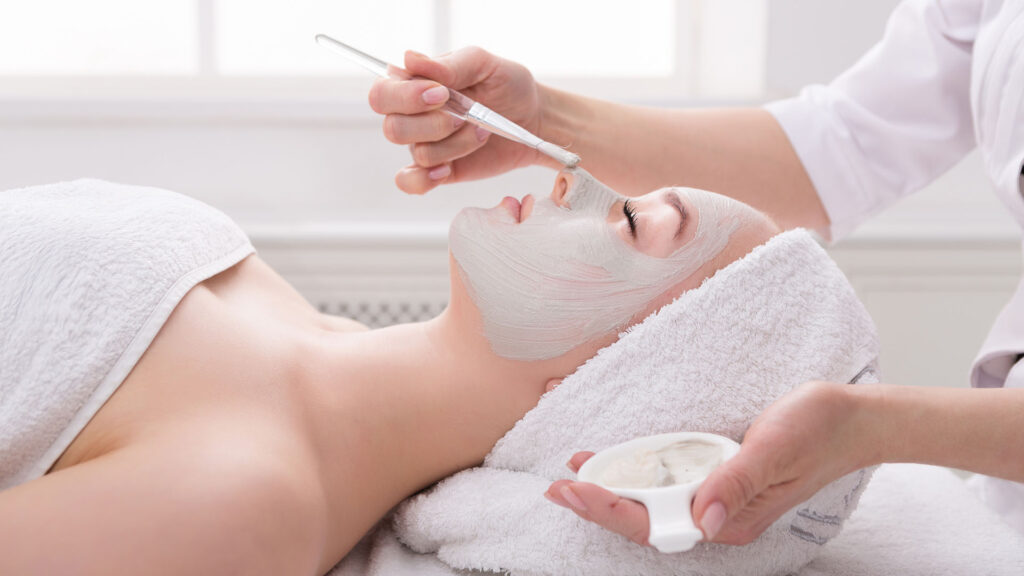
Tension in the neck and shoulders often travels upwards. If you tend to finish the day with a tight band across the forehead or a dull ache at the base of the skull, a head massage can be a useful addition. It’s shorter, you stay dressed, and it works on the scalp, temples and the top of the neck.
We looked at the calming side of massage in our piece on the nervous system massage trend. Desk tension and general stress feed each other, so it’s no surprise that people who carry a lot of one tend to carry a lot of the other.
A Three-Minute Reset for Your Working Day
Between appointments, small habits do more than heroic ones. None of these needs equipment, and all of them can be done without anybody in the office noticing:
- Raise the screen. The top of your monitor should sit around eye level. Prop a laptop on a few books and use a separate keyboard if you can.
- Take micro-breaks. Stand up every half hour or so. Walk to the kettle. Look out of a window. It resets your posture more effectively than any gadget.
- Try a gentle chin tuck. Draw your chin straight back, as if making a double chin, hold for a couple of seconds and release. A few repeats an hour reminds your neck where neutral feels.
- Open the front of your shoulders. Stand in a doorway with your forearms on the frame and lean forward gently until you feel a stretch across your chest.
- Warm it up. A heat pack or warm shower on a stiff neck often helps muscles relax, in line with the NHS self-help advice.
Keep movements gentle and stay within what is comfortable. If an exercise makes the pain worse, or makes you dizzy, stop and speak to a healthcare professional.
How Often Is Worth It?
There is no magic number, and anyone who quotes one without asking about you is guessing. As a rough guide, people dealing with built-up desk tension often do best with a short run of regular sessions, a couple of weeks apart, then drop to a maintenance rhythm once things feel better. For many that means roughly monthly.
The honest approach is to try a session, notice how long the benefit lasts, and book your next one based on that. If you feel stiff again within days, we’d talk about frequency and what’s driving it. If you feel good for weeks, you can stretch the gaps.
Quick Answers to Common Questions
Is tech neck a medical condition? No. It is an informal name for the posture habit and the aches that tend to go with it. The symptoms themselves can have several causes, which is why persistent pain deserves a proper assessment.
Will one massage fix it? Probably not, and we’d be wary of anyone who promised that. One session can bring welcome relief. Lasting change usually comes from a run of sessions plus the everyday habits above.
Is it normal to feel sore afterwards? A little tenderness the next day is common, a bit like after a workout. Sharp or increasing pain isn’t. Tell us at the time if anything feels wrong, and let us know afterwards if something doesn’t settle.
Should I book head massage, body massage or both? If your tension sits mainly in the neck, shoulders and back, start with a body massage. If it shows up as headaches, a tight forehead or a jaw that clenches, a head massage is a good place to begin. Many people end up alternating the two.
When to See Your GP Instead
We are a salon, not a clinic, and some symptoms need a medical opinion before anyone lays a hand on you. Speak to your GP, or use NHS 111, if your neck pain follows a fall or injury, comes with numbness, weakness or pins and needles in your arms, is accompanied by fever or a severe headache, or simply doesn’t improve after a few weeks.
The NHS page we linked above lists the warning signs and explains how to get help. It is worth a read if you’ve been putting up with this for longer than you’d like to admit.
Book Your Reset
If your shoulders have become earrings, our team in Widnes will build a massage around where you carry tension and how you actually spend your days. Call us on 0151 420 5656, book online, or visit us at 190 Lunts Heath Road, Widnes, Cheshire, WA8 5AZ.