Say the word “perm” to anyone over about forty and you’ll likely get a specific mental image: tight, uniform curls, a distinctive chemical smell, and photos that get brought out at Christmas purely for comedy value. Fair enough, that’s what perms used to be. It is not, in any meaningful sense, what a perm is in 2026.
Texture is back in a serious way, and modern perming technique is doing a lot of the work behind it. Here’s what’s actually changed.
Why Texture Is Suddenly Everywhere
Runway coverage of the autumn/winter 2026 season noted a clear shift away from sleek, subtle styles towards volume, movement and a sense of romance, with designers favouring hair that felt expressive and a little undone over anything too polished. That mood has filtered down fast, and salons are seeing it show up as a genuine spike in requests for wave and curl work, not just straightening and smoothing.
Part of it is practical too. Plenty of people are tired of the daily grind of curling irons and wands, and a well-executed perm essentially outsources that effort to a single salon appointment rather than twenty minutes with a hot tool every morning.
What’s Actually Different About a Modern Perm
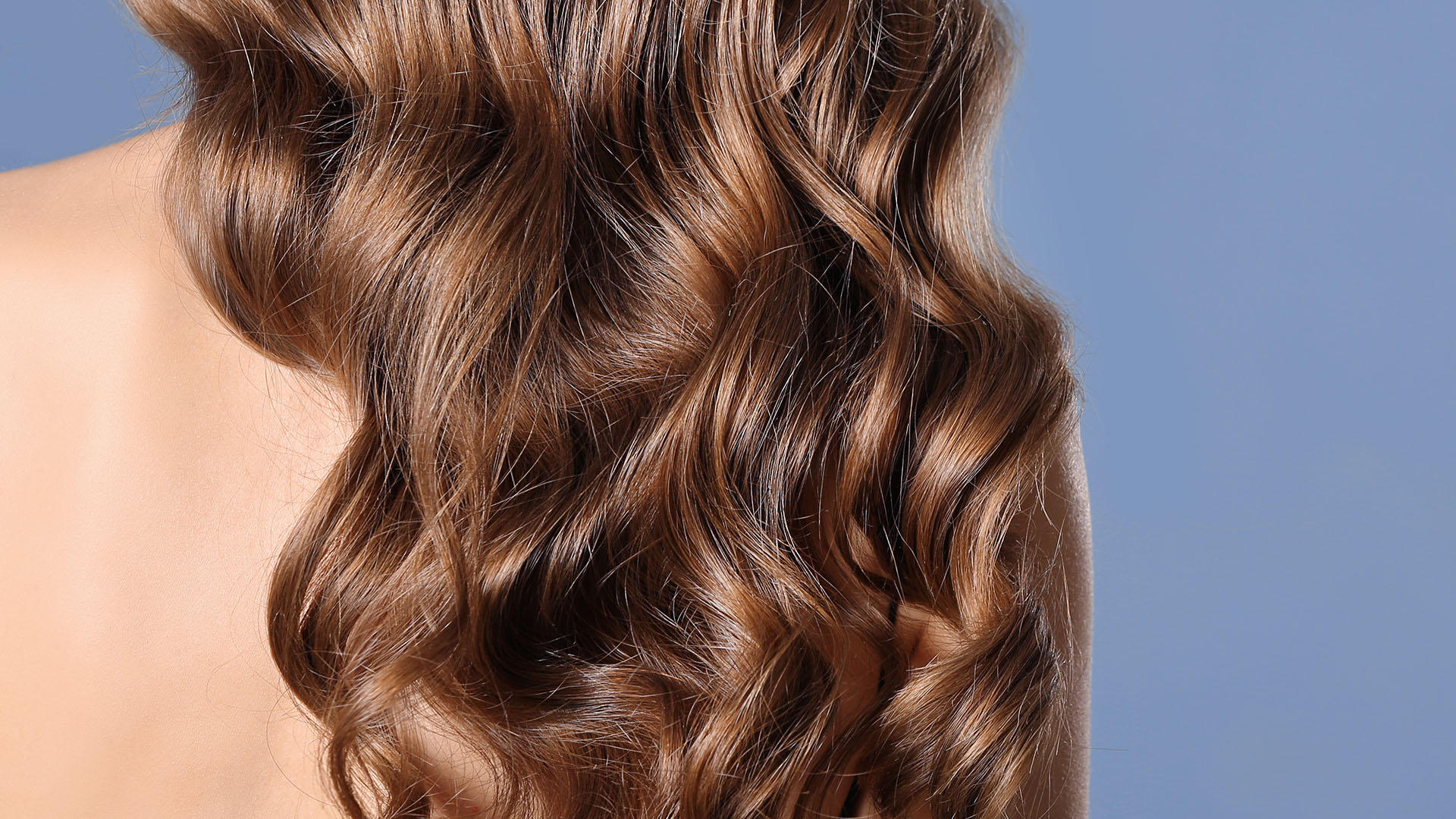
The biggest shift is customisation. Rather than one uniform curl pattern applied across the whole head, modern techniques mix rod sizes and sectioning to mimic how natural hair actually grows, with more movement at the crown, softer waves through the mid-lengths, and nothing that reads as obviously “done”.
- S-perms create flowing, S-shaped waves for gentle body and movement, particularly suited to medium to long, layered hair
- Digital perms use controlled heat alongside the chemical process to create looser, more defined waves that tend to hold their shape for longer and grow out more gracefully than traditional cold perms
- Multi-textured perms combine different rod sizes through the same head of hair, avoiding the uniform, slightly artificial look older perms were known for
- Root perms focus lift and movement specifically at the roots, adding volume without curling the lengths at all, a good option if all you actually want is more body
Who It Actually Suits
Perms work particularly well on fine, flat hair that struggles to hold any shape on its own, since the treatment gives it structure that product alone can’t replicate. They can also help soften and add intentional shape to thick or unruly hair that currently does its own thing in a less flattering direction. Straight, healthy hair generally takes a perm well; hair that’s already heavily chemically processed or coloured needs a proper condition assessment first, since perming adds further chemical processing on top.
This is exactly the kind of thing worth discussing honestly at a hair movement consultation before booking anything. A good stylist will tell you plainly if your hair needs a course of strengthening treatments first, rather than proceeding and hoping for the best.
Living With a Perm Day to Day
- Air-dry where possible; diffusing on a low heat setting is the acceptable alternative, but high heat will fight the curl pattern rather than support it
- Use a leave-in conditioner with some heat protection even on no-heat days, since perm-treated hair benefits from consistent moisture
- Avoid brushing perms when dry; finger-detangle or use a wide-tooth comb on damp hair instead, or you’ll break up the curl pattern into frizz
- Book a strengthening treatment beforehand if your hair has any previous colour or chemical history, since perming already-compromised hair is how you end up needing considerably more repair work afterwards
How It Pairs With the Rest of Your Routine
A perm isn’t a standalone decision, it interacts with everything else you’re already doing to your hair. If you’re also colouring regularly, timing matters: colour and chemical texture services generally need space between them rather than being done back to back. We can map this out properly during a consultation, including whether a hair treatment should happen before, after, or between the two.
If your main goal is simply softer movement rather than a full curl pattern, it’s also worth discussing whether a perm is genuinely the right tool, versus a really good cut and the right styling technique. Not every request for “more texture” needs a chemical service to solve it, and an honest consultation should say so.
Book a Texture Consultation
If you’ve been curious about adding movement or softness to your hair without committing to daily styling, our team in Widnes can talk you through whether a modern perm, or something else entirely, is the right fit for your hair. Call us on 0151 420 5656, book online, or visit us at 190 Lunts Heath Road, Widnes, Cheshire, WA8 5AZ.