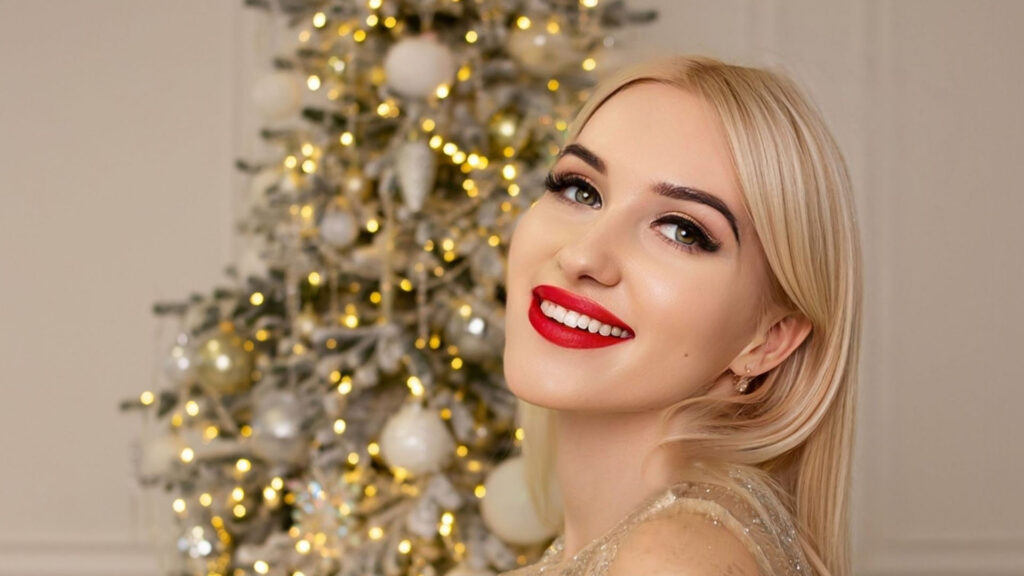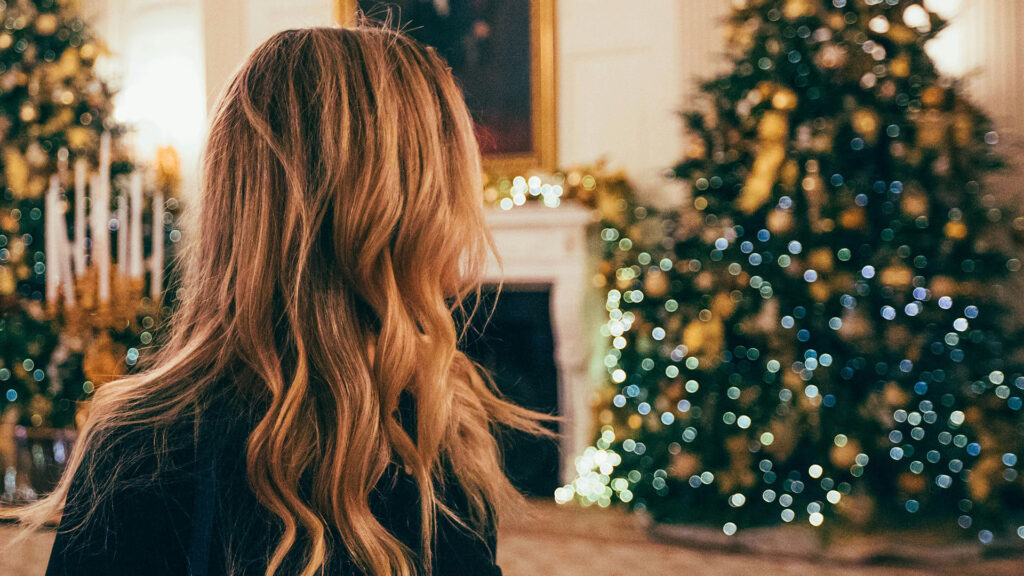

Winter hair colour has a reputation for being serious. Dark, heavy and moody, like a Victorian novel. The shades that are trending now are rather more fun than that. They are rich, they are soft and, for the most part, they are not asking you to change who you are.
This guide explains the main colours that hair experts are talking about for winter 2026, who they suit, how much upkeep they need and how to ask for them without bringing a photo of a stranger with entirely different hair.
It is a guide, not a prescription. Your own hair, skin tone and lifestyle will shape what works best, and we will always tell you honestly what we think.
The big idea: richer versions of colours you already like
The headline from the experts is reassuring. Celebrity hairdresser Melissa Timperley, speaking to Woman & Home, names five colours for autumn and winter 2026. Her main point is that you do not need a total overhaul, because the shades are richer versions of colours people already like.
That is good news for anyone who wants a change without a drama. If you are a brunette, think deeper and glossier. If you are blonde, think softer and warmer. If you are somewhere in the middle, think about adding depth and dimension.
The colours to know
Truffle brunette
Timperley describes this as a softer brunette that layers chocolate, walnut and neutral browns, so that the colour looks natural rather than espresso-dark. It is a good choice if you want to look polished without looking dyed.
It suits most skin tones. It is also forgiving. Because it is made of several close shades, the colour grows out gently, so you are not racing to the salon every few weeks.
Damson brunette
A deeper brunette with plum, aubergine and red-violet tones that show up mainly in movement and light. Woman & Home pitches it as an alternative to cherry cola. It looks dark in the shade and rich in the sun, which in a British winter means about forty minutes a day.
Cherry cola
The Hershesons blog describes this as the darkest brown with a soft finish, adding depth without harshness. Hershesons colourist Hannah Gayle says of it, “Everyone will be asking for it.” It is a red-brown that looks warm and glossy. If you have been asking for “brown but not boring”, this may be the one.
Whisky copper
Timperley describes it as a richer, more burnished copper with amber, cinnamon, brown and golden tones. It is a move away from bright orange. If you like the idea of copper but worry about looking too fiery, this is the softer take.
Copper does need a little care. Red tones fade faster than most, so you will want to plan upkeep. More on that below.
Golden copper blonde
Hershesons describes this as a blend of soft copper and soft golden blonde with an auburn tint. The words it uses are “warm, delicate and ridiculously flattering”. It is a sensible meeting point for blondes who want to warm up and redheads who want to lighten.
Almond blonde and vanilla almond blonde
Timperley names almond blonde as a softer, more natural “dirty” blonde with beige, muted gold and deeper natural blonde tones. It is less icy and less golden than recent blondes. Hershesons describes a similar idea, vanilla almond blonde, with darker nutty roots moving into golden-icy ends.
If you like this, you may also like our article on warm blonde and lived-in colour, which goes into more detail on the move away from icy platinum.
Strawberry beige
Another from Timperley’s list. It is a soft beige blonde with a hint of strawberry, peach and gold. She calls it a “really big blonde” for autumn and winter 2026. It is gentle, flattering and slightly unexpected.
Contrasted roots and blended grey
These two are for people who like the idea of low maintenance. Hershesons describes contrasted roots as darker roots that blend into softer ends for wintry dimension, and calls the look “low-maintenance but super striking”.
Blended grey uses cool tones through the mid-lengths and ends to enhance natural grey rather than cover it. If you have been thinking about embracing your grey, but want a gentle way in, it is worth a conversation.
Which one suits you?
There is no formula for this, but a few general ideas can help. Treat them as starting points for a chat, not as rules.
- If you want a safe change: truffle brunette or almond blonde. They look natural and grow out softly.
- If you want something richer: damson brunette or cherry cola. Both add depth and shine.
- If you want warmth: whisky copper or golden copper blonde. Both lift the face in winter light.
- If you want less upkeep: contrasted roots or blended grey. Both are designed to grow out well.
Skin tone, eye colour and your starting colour all matter. A colourist will look at all three. Your lifestyle matters too. If you wash your hair every day, swim every week or style with heat, the colour will behave differently.
Our colouring page explains what we offer. If you would like a recommendation, book a consultation and bring some photos. Choose pictures of hair that is close to yours in length, texture and starting colour.
How to ask for it
Colour names vary from salon to salon and from magazine to magazine. One person’s truffle is another person’s mud. The best way to avoid a mix-up is to show, not tell.
- Bring two or three photos of the colour you like, and one of the colour you do not.
- Tell us what you have done to your hair before, including box dye and henna, even if it was years ago.
- Say how often you are happy to come in. Every six weeks is different from every twelve.
- Be honest about your budget. A good colourist can tailor a plan.
- Ask what the colour will look like in three months, not just on the first day.
Keeping winter colour looking fresh
Colour is not a one-off event. How you look after it decides how long it lasts. Here are some basic ideas. Your colourist will tailor them to your hair.
- Wash less often, and wash cooler. Hot water can speed up fading. If you can stretch to a day or two between washes, your colour will thank you. Our guide to second-day hair helps.
- Use products designed for coloured hair. Ask us what suits your colour.
- Consider a gloss between appointments. Woman & Home’s product picks suggest a gloss to keep chocolatey tones looking rich between appointments. Those are the magazine’s suggestions rather than Timperley’s, but the idea is sound. Ask whether it suits you.
- Choose a colour-depositing mask for copper. The same article says red tones fade quickly, which is why it suggests a mask that deposits colour. Ask us which one to use.
- Protect against heat. Use a heat protectant when you style, and keep the temperature sensible.
- Keep your treatments up. Healthy hair holds colour better. See our treatments page for options.
Winter weather also plays a part. Damp air can frizz coloured hair, and static can make it flyaway. Our article on frizz-free hair in the autumn rain has more on how to deal with it.
Is it safe to colour my hair?
For most people, yes. A small number of people have allergic reactions to hair dye, which is why a patch test matters. An information site on hair dye allergy says that a reaction to a patch test “takes up to 48 hours to develop”. So please do not leave a patch test until the day before your appointment.
Tell us if you have had a reaction to colour before, if you are pregnant or if you have a scalp condition. We will talk it through with you.
Colour, cut and Christmas
If you are planning a new colour before the festive season, there are a few things to think about. A colour that needs a few days to settle is better done earlier. A gloss or a tidy-up can wait until nearer the day. We have set out the timing in our guide to Christmas party hair.
Your cut matters too. A new colour looks best on a good shape, and a good shape shows off colour. If you are thinking of changing both, ask us to look at them together. Our guide to autumn haircut trends is a helpful starting point.
And if you would like more volume to go with your colour, our article on why volume beats length explains how extensions can help.
Frequently asked questions
- What is the most popular winter hair colour in 2026?
There is no single winner, but the experts above point to richer brunettes, such as truffle brunette and cherry cola, and softer, warmer blondes, such as almond blonde. Copper tones are also much talked about. - How often will I need to come in?
It depends on the colour. Contrasted roots and blended tones are designed to grow out gently. Brighter, redder or lighter shades usually need more upkeep. We will give you a plan when you book. - Will red and copper tones fade quickly?
Red tones fade faster than most, according to the Woman & Home article. A colour-depositing mask and a sensible wash routine help. Ask us what we recommend. - Can I go from blonde to brunette, or the other way round?
Often yes, but it depends on your starting point. Going lighter may need more than one appointment. Going darker is usually simpler, but can be harder to reverse. A consultation will tell you what is realistic. - Do I need a consultation first?
We suggest it for any big change. It gives us a chance to look at your hair and talk through options. Ask when you book.
Book your winter colour
If you have been thinking about a change, now is a good time to start the conversation. Bring your photos, tell us how you like to wear your hair and we will help you choose a colour that works for you.
Ready to book? Call us on 0151 420 5656, book online, or visit us at 190 Lunts Heath Road, Widnes, Cheshire, WA8 5AZ.Colour results vary according to your hair’s starting condition and colour history. Please tell us about any allergies, previous reactions or scalp conditions when you book.