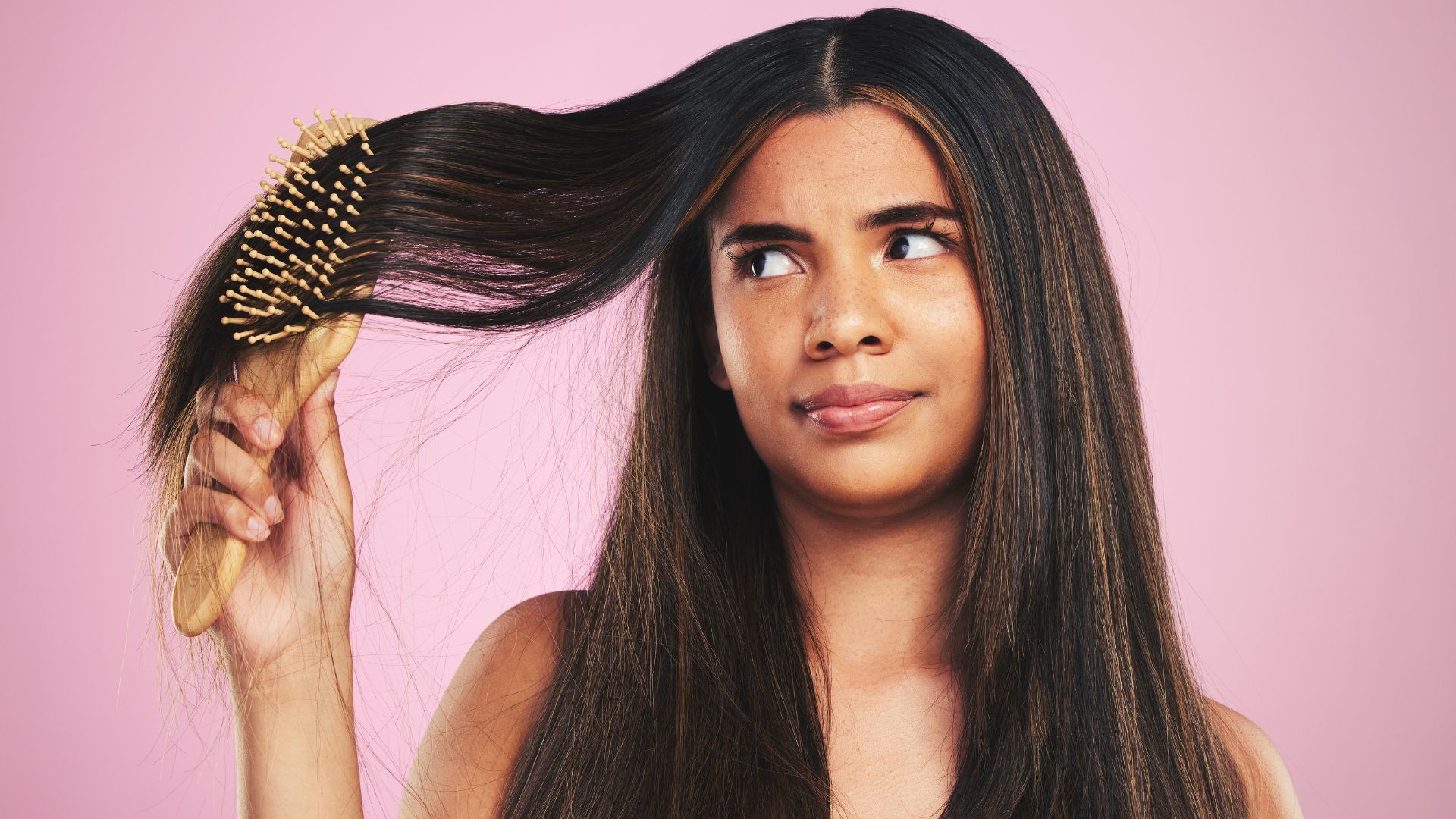
Hair loss. It’s one of those things we don’t love talking about—but if it’s something you’ve noticed recently, you’re not alone. Whether you’re finding more hair in your brush, noticing a thinner ponytail, or feeling like your scalp is suddenly front and centre, hair loss can be upsetting.
Why Is My Hair Falling Out?
Hair loss happens for lots of reasons, and sometimes it’s out of your control. Common causes include:
Genetics (thanks, family tree)
Stress (easier said than done, but worth managing)
Hormonal changes, like pregnancy or menopause
Tight hairstyles that tug on the scalp
Chemical damage from perms, bleach, or harsh treatments
If your hair loss is severe or comes on suddenly, always speak to a GP or trichologist. Sometimes, it’s your body’s way of flagging something else going on.
But the good news? There are ways to take care of your hair and scalp to help support healthier, stronger growth.
Let’s break it down.
Be Kind to Your Scalp
Healthy hair starts at the root, literally! If you’re struggling with hair loss or thinning, switch to gentle, nourishing products designed to soothe and care for your scalp. Avoid anything with harsh sulphates, and skip the scrubbing. Think of your scalp as delicate skin (because it is!) and it needs TLC, not trauma.
Ditch the Damage
Heat styling tools might be part of your daily routine, but if you’re noticing hair fall, it’s time to give them a rest. Frequent use of straighteners, curling wands and even hot blow-dries can weaken strands over time. The same goes for hair dye and bleach—both can compromise the health of your hair, especially when used often or incorrectly.
Try this:
Embrace natural textures
Opt for low-heat styling
Speak to your stylist about gentler colour options
Fuel Your Follicles
Hair is made of protein, so if your diet’s lacking, your hair might suffer. Make sure you’re getting enough protein-rich foods, and consider supplements if you think your body might need a boost. Iron, vitamin D, biotin and zinc all play a role in healthy hair growth.
Top tip: Hydration matters too! Water helps keep your hair supple and less prone to breakage. So sip throughout the day – you’ll feel the benefits from root to tip.
Sleep Smart
Your bedtime hair habits might be doing more harm than good. Tight ponytails, braids and friction from cotton pillowcases can all cause mechanical damage while you sleep.
Try this instead:
Loose plaits or a soft bun
Satin or silk pillowcases
Hair wraps or bonnets for extra protection
At Macadamia Hair Spa, we believe in creating a space where you can talk openly about your hair concerns without judgment. Whether it’s a gentle trim, a nourishing scalp treatment, or simply advice on where to start, our team is here for you.
You deserve to feel confident in your hair and we’re ready to help you get there 💛